
Grill Up Nasu Dengaku: Miso-Glazed Eggplant Delight!
Last Updated on March 13, 2026 by Alma
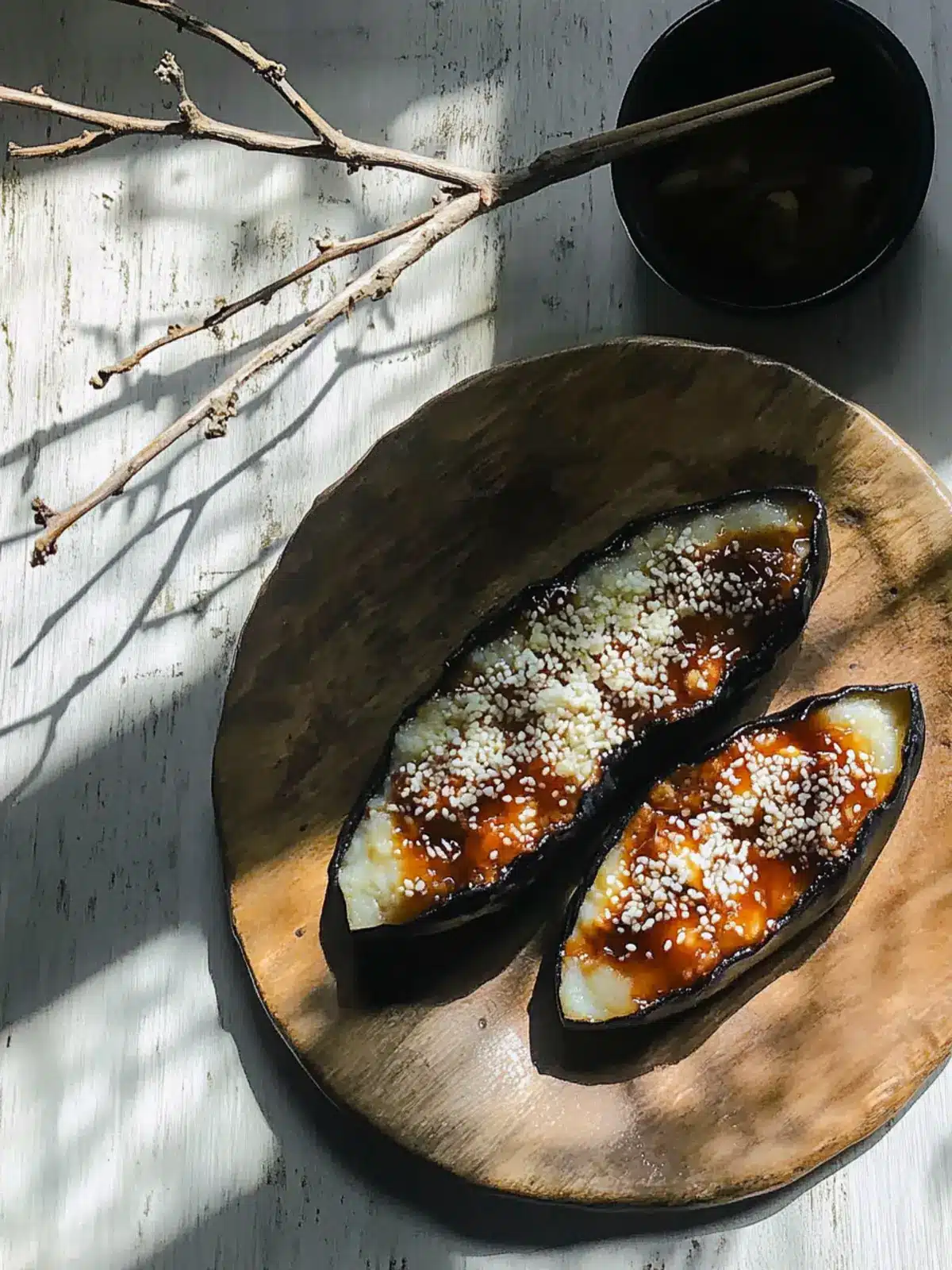
As the days grow warmer and my desire for lighter meals rises, I find myself returning to one of my favorite Japanese delights: Nasu Dengaku, or miso-glazed eggplant. The first time I tasted this dish at a local izakaya, I was enchanted by the rich, umami-packed glaze that perfectly complemented the smoky flavor of grilled eggplant. It reminded me that simple ingredients, when given love and attention, can transform into something extraordinary.
Imagine the sweet aroma of miso mingling with sesame as the eggplant sizzles on the grill. This dish is not just about flavor; it’s a celebration of textures, with the creamy flesh of the eggplant contrasting beautifully against the crunchy sprinkle of toasted sesame seeds and the fresh bite of perilla leaves.
What s even better? This recipe is a breeze to whip up, taking only 20 minutes from prep to plate. Perfect for a quick weeknight dinner or an impressive side dish to wow your guests, this Nasu Dengaku will elevate your home-cooked meals and banish those fast-food cravings for good. Let s dive into this culinary joy!
Why Love Nasu Dengaku for Dinner?
Quick and Easy: This Nasu Dengaku recipe boasts a total prep and cook time of just 20 minutes, making it ideal for busy weeknights.
Savory and Sweet: The rich miso glaze, combined with light brown sugar, creates a delightful contrast that s simply irresistible.
Textural Harmony: Enjoy the contrast between the velvety eggplant and the crunchy sesame seeds for a satisfying bite.
Versatile Dish: Serve it as a stunning side or as a vegetarian main, fitting seamlessly into any meal plan.
Healthy Indulgence: Low in calories yet bursting with flavor, it s a delicious way to enjoy vegetables without sacrificing taste. Embrace it tonight for a fresh twist on dinner!
Nasu Dengaku Ingredients
For the Eggplant
2 eggplants Choose firm, glossy eggplants for the best texture and flavor.
For the Miso Glaze
2 tbsp yellow miso paste (awase) This gives the glaze its distinctive umami flavor, key for Nasu Dengaku.
2 tbsp sake Adds depth and enhances the flavors in the glaze.
½ tbsp toasted sesame oil Offers a nutty aroma that elevates the dish.
½ tbsp light brown sugar Balances the savory miso with a touch of sweetness.
1 tsp mirin A sweet rice wine that brings complexity to the glaze.
For Garnishing
Toasted white sesame seeds A crunchy topping that adds texture.
Perilla leaves (shiso), shredded Freshness to contrast the rich glaze.
How to Make Nasu Dengaku
Preheat your grill or broiler on medium. This step is crucial! While it heats up, wash the eggplants and dry them thoroughly with kitchen paper. Cut them in half lengthways and score the flesh with a crosshatch pattern for better glaze absorption.
Grill the eggplant halves skin side down on the wire rack for about 3 minutes. This softens the flesh nicely, giving it a slight char that enhances its flavor.
Flip the eggplant and grill the skin side for an additional 5 minutes. You want the skin to be blistered and the flesh tender keep an eye on it for that perfect char!
Combine the glaze ingredients in a small saucepan. Bring to a boil over medium-high heat while stirring continuously to prevent burning the miso. Once boiling, reduce the heat to low and simmer for a few minutes to meld the flavors.
Brush the miso sauce onto the flesh side of the eggplants, then grill for 2-3 minutes more until the glaze is beautifully caramelized and glossy. It s the magic of Nasu Dengaku coming to life!
Garnish with toasted white sesame seeds and shredded perilla leaves (shiso) for that extra flair. Enjoy the vibrant flavors and textures in every bite!
Optional: Pair with steamed rice for a complete meal.
Exact quantities are listed in the recipe card below.

What to Serve with Nasu Dengaku?
As this beautifully grilled miso-glazed eggplant takes center stage, let s explore the delightful companions that will complete your meal.
Steamed Jasmine Rice: The fragrant, fluffy rice absorbs the rich miso sauce, creating a comforting combination that’s hard to resist.
Crispy Tempura Vegetables: Lightly battered and fried vegetables add a crunchy contrast, enhancing the dish’s overall texture and flavor.
Japanese Pickles (Tsukemono): These tangy, bite-sized garnishes provide a refreshing zing that cuts through the richness of the miso.
Simple Cucumber Salad: A cooling salad with a hint of vinegar brings a delightful crunch and balances the savory eggplant.
Sake or Junmai: Sip on a glass of chilled sake; its smooth and slightly sweet profile complements the umami flavors, enhancing the experience.
Miso Soup: A warm bowl of miso soup acts as a soothing side, echoing the flavors in the eggplant while keeping the meal light.
Green Tea Ice Cream: For dessert, this smooth and creamy treat adds a touch of sweetness, rounding out your meal with an unforgettable finish.
Each of these accompaniments not only complements the flavors of Nasu Dengaku but also enrich the dining experience, making it feel special and memorable.
Expert Tips for Nasu Dengaku
Eggplant Selection: Choose firm, unblemished eggplants to ensure a creamy texture after grilling. Overripe or soft ones can turn mushy.
Scoring Technique: Don t skip the crosshatch pattern! It helps the glaze penetrate deeper, ensuring each bite bursts with flavor.
Glazing Timing: Apply the miso glaze just before finishing on the grill. This prevents the miso from burning and lets it caramelize beautifully.
Watch the Heat: Keep a close eye on your grill to avoid over-charring the eggplants. The right balance of heat brings out the best in Nasu Dengaku.
Garnish for Flavor: Never underestimate the importance of toasted sesame seeds and perilla leaves! They add visual appeal and an essential crunch that complements the soft eggplant.
How to Store and Freeze Nasu Dengaku
Fridge: Store leftover Nasu Dengaku in an airtight container for up to 3 days. This keeps the flavors intact while preventing moisture loss.
Freezer: If you have extra grilled eggplant, freeze it in a single layer on a baking sheet, then transfer to a freezer bag. It can last for up to 3 months.
Reheating: To enjoy leftover Nasu Dengaku, reheat it gently in a preheated oven at 350 °F (175 °C) for 10-15 minutes or until warmed through. Avoid microwaving for best texture.
Wrapping: If you plan to freeze, make sure to wrap the eggplant tightly in cling film or foil to prevent freezer burn, preserving the miso’s rich flavor.
Nasu Dengaku Variations & Substitutions
Feel free to get creative and adapt this delightful recipe to your taste and dietary needs!
Miso Swap: Use red miso for a bolder, richer flavor that brings out deeper umami notes. It s an exciting twist!
Sake Alternative: Substitute sake with vegetable broth or cooking wine for a non-alcoholic version that still enhances the glaze s depth. You won t miss a beat!
Sugar Adjustments: Try maple syrup instead of brown sugar for a more complex sweetness and a touch of earthiness. It adds a lovely flavor dimension.
Eggplant Variation: Use zucchini or portobello mushrooms for a unique take on the dish, offering different textures and lightness. Both options grill up beautifully!
Heat It Up: Sprinkle red pepper flakes or drizzle sriracha into the glaze for an exciting kick that pairs well with the sweetness of the miso. Feel the warmth!
Herbal Boost: Incorporate fresh basil or cilantro as a garnish instead of perilla leaves for a pop of freshness and an herbaceous twist that brightens every bite.
Nutty Texture: Add crushed peanuts or toasted almonds on top for extra crunch, providing a delightful contrast to the soft eggplant flesh. It s a nutty delight!
Vegan Twist: Ensure the sake you use is vegan-friendly, or opt for a combination of water and vinegar if you prefer a completely plant-based option. Enjoy with a clear conscience!
Make Ahead Options
These Nasu Dengaku are perfect for busy home cooks looking to save time! You can prepare the miso glaze up to 3 days in advance. Simply mix the yellow miso paste, sake, toasted sesame oil, light brown sugar, and mirin in a small container and refrigerate it. The eggplants can be grilled and stored for up to 24 hours in the refrigerator, just make sure to keep them covered to maintain their softness. When you’re ready to serve, simply reheat the grilled eggplants on the grill for 2-3 minutes, brush on the prepared miso glaze, and let it caramelize again for that delicious finish. With these make-ahead tips, you’ll savor every bite without the last-minute rush!
Miso Glazed Eggplant Recipe FAQs
What should I look for when selecting eggplants?
Absolutely! When choosing eggplants, look for firm, glossy specimens free of dark spots or blemishes. The skin should be smooth and taut, indicating freshness. Squeeze gently; if they yield slightly, they are ripe and ready for grilling!
How should I store leftover Nasu Dengaku?
Very important! Place any leftover Nasu Dengaku in an airtight container and store it in the refrigerator. It will stay fresh for up to 3 days. This keeps the flavors intact while preventing moisture loss. Just be sure to seal it well to avoid drying out!
Can I freeze Nasu Dengaku?
You bet! If you have extra grilled eggplant, lay it out on a baking sheet in a single layer to flash freeze. Once frozen, transfer the pieces to a freezer-safe bag or container, ensuring they re tightly sealed. These can last for up to 3 months! To reheat, bake at 350 °F (175 °C) for about 10-15 minutes.
What if my miso glaze is too thick?
No worries at all! If you find your miso glaze is too thick, simply add a teaspoon of water or sake to thin it out. Stir well to achieve a pourable consistency. If it s too thin, let it simmer a little longer to help it thicken further, ensuring you get that perfect glaze.
Can I use different types of miso for this recipe?
Absolutely! While yellow miso (awase) is recommended for its balanced flavor, you can experiment with white or red miso for different taste profiles. Red miso will impart a stronger, more robust flavor, while white miso is sweeter. Feel free to adjust the quantity based on your taste preferences!
Is this recipe safe for pets?
No, it s best to keep this dish away from your furry friends. Miso contains high levels of sodium, which can be harmful to pets. Always opt for plain, pet-safe vegetables when sharing your meal with your animal companions.