
Spicy Thai Chicken Tenders: Crispy, Sweet, and Spice-Kissed
Last Updated on March 13, 2026 by Alma
There’s something truly exhilarating about biting into a crispy chicken tender, especially when it s infused with the vibrant flavors of Thai cuisine. This recipe for Spicy Thai Chicken Tenders, don t just satisfy cravings; they bring a whirlwind of flavor to your dinner table in a matter of minutes. As I was experimenting in the kitchen last week, I was looking for a way to elevate the usual weeknight dinner routine. What emerged was a delightful combination of perfectly cooked chicken coated in golden panko and drenched in a sweet, spicy sauce that lights up your taste buds.
Perfect for a quick weeknight meal or a show-stopping appetizer at your next gathering, these tenders can be easily tailored to suit your spice preference. Whether you serve them over a bed of steaming noodles or alongside fluffy rice, they are sure to be a hit with everyone at the table. Plus, with an effortless prep time of just 20 minutes, you’ll wonder why you didn t whip these up sooner. Let’s dive into the details and get cooking!
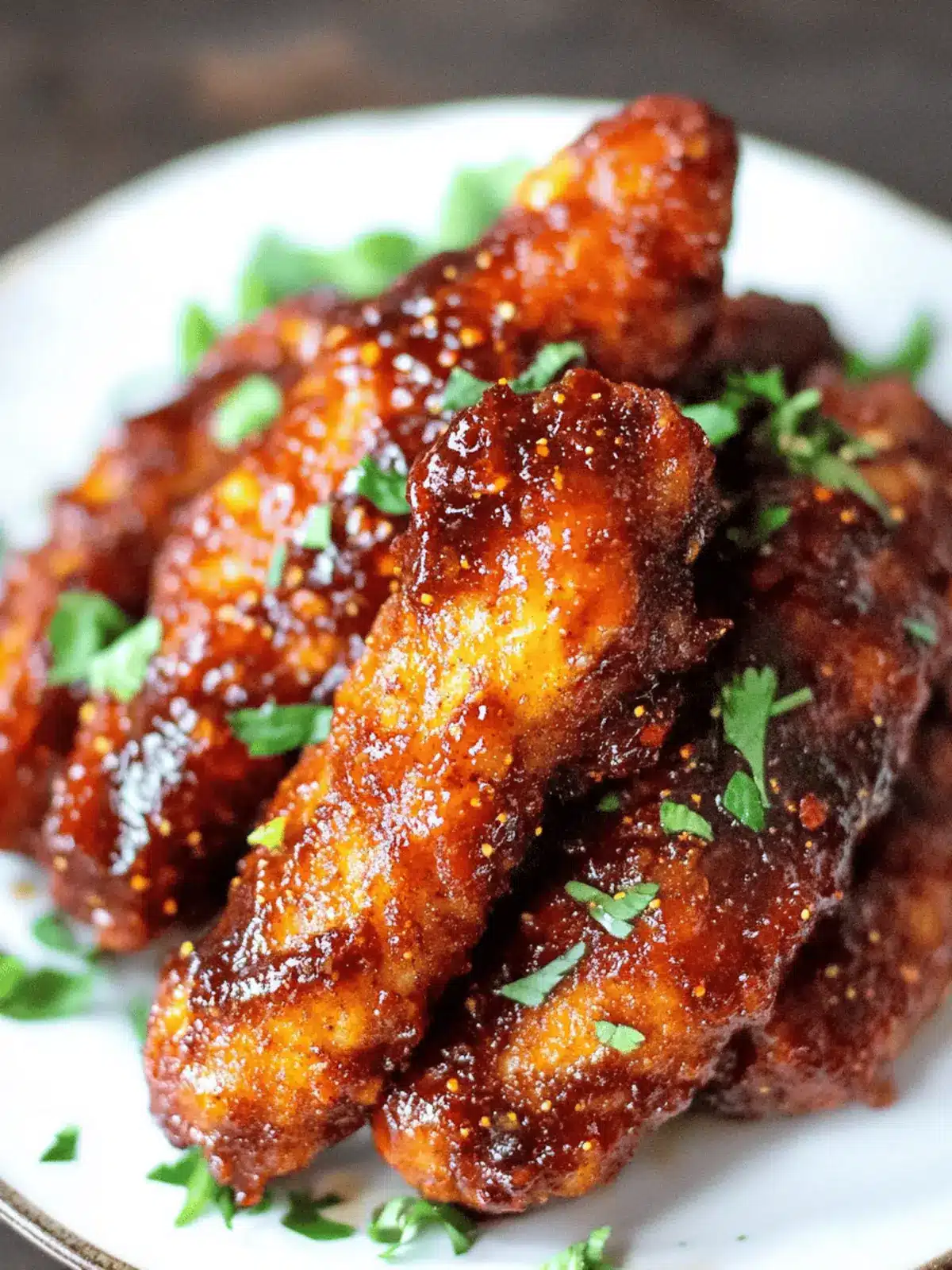
Why Love Spicy Thai Chicken Tenders?
Quick and Easy: These tenders come together in just 20 minutes, making them a perfect solution for busy weeknights or last-minute cravings.
Crispy Goodness: Coated in panko for a light, crunchy texture that satisfies every bite.
Tailored Spice Levels: Enjoy them mild, medium, or spicy customize according to your taste preferences!
Flavor Explosion: The combination of sweet, spicy, and savory ingredients creates a depth of flavor that will keep you coming back for more.
Serving Versatility: Serve them over noodles or with rice for a complete meal, or add to wraps for a fun lunch option.
With so many reasons to love these tenders, you’ll definitely want to try making this recipe soon!
Spicy Thai Chicken Tenders Ingredients
Here s what you’ll need to create these flavorful tenders.
For the Chicken
- Chicken Breast Tenderloins The main protein source; can substitute with chicken thighs for a juicier result.
- Eggs Acts as a binding agent for the breadcrumb coating; use 2 large eggs.
- Panko Breadcrumbs Provides a light and crispy texture; regular breadcrumbs can substitute but yield a denser coating.
For the Sauce
- Garlic (minced) Adds aromatic depth; freshly minced is best; pre-minced can be a convenient alternative.
- Brown Sugar Balances the heat with sweetness; honey can be a delightful substitute for a different flavor.
- Low Sodium Soy Sauce Essential for umami flavor; tamari is a great gluten-free option.
- Sriracha Hot Sauce Introduces spiciness; adjust according to desired heat level or omit for a milder taste.
- Creamy Peanut Butter Adds richness and creaminess; for a peanut-free version, omit or use tahini.
- Fresh Ginger (grated) Enhances the flavor profile; ground ginger can substitute in a lesser amount.
- Cornstarch Thickens the sauce; arrowroot can be used as an alternative thickener.
- Water Combined with cornstarch for sauce thickening; adjust as needed.
For Frying and Garnish
- Canola Oil Necessary for frying; peanut oil can add extra flavor if desired.
- Red Pepper Flakes Infuses heat; adjust the quantity based on your spice tolerance or omit for a milder dish.
- Cilantro (chopped) For garnish; can be omitted or swapped for green onions if preferred.
Now that you have the ingredients ready, let s bring your kitchen to life with these Spicy Thai Chicken Tenders!
How to Make Spicy Thai Chicken Tenders
Prepare Oil: Begin by pouring about 1.5 inches of canola oil into a frying skillet. Heat it over medium heat until ready for frying, ensuring it reaches the right temperature for perfect crispiness.
Prep Coatings: In one bowl, whisk together 2 large eggs until frothy. In another bowl, combine panko breadcrumbs with red pepper flakes for an extra kick, mixing well.
Coat Chicken: Take each chicken tenderloin and dip it into the beaten eggs, ensuring it’s fully coated. Then, roll it in the panko mixture until thoroughly covered and set aside on a plate.
Fry Chicken: Carefully place the coated chicken tenderloins into the hot oil, frying them in batches of 4-5. Cook for 3-4 minutes, until golden brown, then flip them over and fry for another 2-3 minutes. Remove and let them drain on paper towels.
Make Sauce: While the chicken is frying, get a small pot on the stove. Combine minced garlic, brown sugar, soy sauce, Sriracha, peanut butter, and fresh grated ginger. Heat on medium, whisking the mixture until it reaches a gentle boil.
Thicken Sauce: In a separate small bowl, mix cornstarch with water until dissolved. Then pour this mixture into the sauce, stirring constantly until thickened. Adjust thickness by adding more water if necessary.
Coat Tenders: Once the chicken tenders are fried and crispy, dip them into the flavorful sauce, ensuring each tender is well coated. Serve them hot, garnished with chopped cilantro for that fresh touch!
Optional: Serve with lime wedges for an added zing.
Exact quantities are listed in the recipe card below.
Make Ahead Options
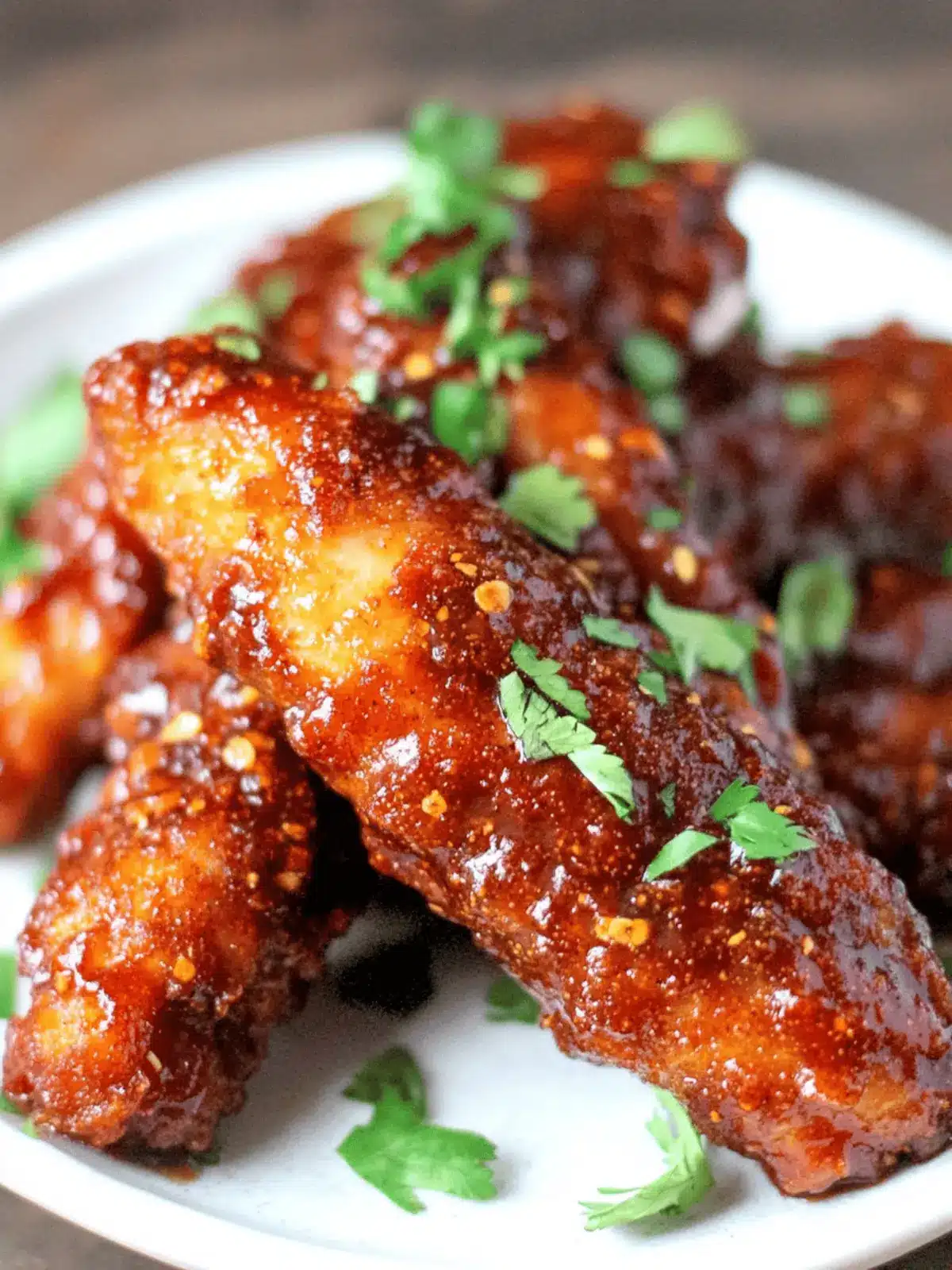
These Spicy Thai Chicken Tenders are a fantastic option for meal prep enthusiasts! You can marinate the chicken in the sauce and let it sit in the refrigerator for up to 24 hours to let those flavors meld. Alternatively, prepare the breaded tenders and refrigerate them for up to 3 days before frying. To maintain that crispy texture, avoid coating them in the sauce until you’re ready to serve. When it s time to enjoy, simply fry the tenderloins as directed until golden brown, then coat with your sauce. You’ll have delicious, restaurant-quality Spicy Thai Chicken Tenders ready with minimal effort on busy weeknights!
Expert Tips for Spicy Thai Chicken Tenders
Hot Oil Matters: Ensure your oil is hot enough before frying, or the tenders can turn out soggy instead of crispy.
Batch Frying: Avoid overcrowding the skillet; frying too many tenders at once lowers the oil temperature and leads to uneven cooking.
Coating Check: Make sure the egg and panko coating is even for a consistent crunch. Missed spots can lead to soggy areas which diminish the overall texture.
Spice Adjustments: Modify the amount of red pepper flakes and Sriracha to suit your heat preference; taste the sauce before coating the chicken if you’re unsure.
Storage Tips: Leftover Spicy Thai Chicken Tenders can be stored in an airtight container in the fridge for up to 3 days; reheat in the oven to restore crispiness.
What to Serve with Spicy Thai Chicken Tenders?
Enhance your dining experience with these delicious accompaniments that beautifully complement the bold flavors of crispy chicken.
- Steamed Jasmine Rice: Its delicate flavor and fluffy texture provide a perfect base to soak up the spicy sauce, making each bite harmonious.
- Fresh Vegetable Spring Rolls: Crunchy and refreshing, these rolls add a vibrant contrast and a burst of freshness to balance the warmth of the tenders.
- Garlic Noodles: Tossed in a light garlic sauce, these noodles offer a delightful, savory addition that pairs well with the tenders’ spice. They hold up beautifully, creating a complete meal.
- Crispy Brussels Sprouts: Roasted to perfection, their earthy flavor adds depth while the added crunch rounds out the dish, offering another layer of texture.
- Sweet Chili Sauce: A dipping sauce that gives a sweet and spicy twist, enhancing the overall flavor profile and adding a fun interaction with the meal.
- Mango Salad: With its bright, fruity notes and crunchy elements, this salad brings a refreshing element that lightens the dish and cuts through the richness of the tenders.
- Thai Iced Tea: This creamy and sweet beverage contrasts the tenders heat, harmonizing with the meal while offering a delightful way to cool your palate.
- Coconut Pudding: For dessert, this creamy treat rounds out the meal with a subtle sweetness that echoes the flavors of Thai cuisine and leaves everyone satisfied.
These pairings will ensure your Spicy Thai Chicken Tenders shine as the star of a delightful meal that excites the senses!
Spicy Thai Chicken Tenders Variations
Feel free to explore these delightful options to customize your Spicy Thai Chicken Tenders and make them truly your own!
Flavor Twist: Add lime juice to the sauce for a zesty kick that brightens the dish. A splash of citrus elevates the flavor profile, making each bite even more refreshing.
Crispy & Cheesy: Incorporate grated Parmesan cheese into the panko mixture to enhance flavor and give the crust an extra cheesy bite. The combination of crispy and creamy is simply irresistible!
Heat Boost: Mix in a dash of Korean Gochujang or chili garlic sauce into the mix for an added punch of heat. This variation is perfect for those who crave more spice in every tender.
Vegetarian Version: Substitute chicken with firm tofu, diced into bite-sized pieces, and follow the same coating and frying steps. This tasty tweak caters to plant-based eaters, offering a deliciously crunchy alternative.
Coconut Magic: Add a hint of coconut milk to the sauce for a tropical twist that’s both creamy and sweet. This little addition transforms the sauce into a luscious treat, ideal for those who love coconut flavors.
Nut-Free: Replace creamy peanut butter with sunflower seed butter for a nut-free option. This keeps the richness intact while being safe for those with nut allergies.
Herby Garnish: Swap cilantro for fresh Thai basil or mint to explore new flavor dimensions. Each herb lends a different aromatic quality, turning your dish into a fragrant masterpiece.
Serving Style: Try serving these tenders on a bed of crispy Asian slaw, creating a crunchy contrast to the tender chicken. The combination of textures is a feast for the senses and enhances the overall experience.
Let your creativity flow and enjoy making these Spicy Thai Chicken Tenders uniquely yours!
Storage Tips for Spicy Thai Chicken Tenders
Fridge: Store leftovers in an airtight container for up to 3 days. Ensure they are completely cooled before sealing to maintain their crispy texture.
Freezer: For longer storage, freeze the cooked tenders in a single layer on a baking sheet before transferring to a freezer-safe bag. They can be kept for up to 3 months.
Reheating: To reheat, place the tenders on a baking sheet in a preheated oven at 400 °F (200 °C) for about 10-15 minutes until warmed through and crispy again.
Room Temperature: If serving at a gathering, it’s best to keep the tenders warm and consumed within 2 hours for food safety.
Spicy Thai Chicken Tenders Recipe FAQs
How do I select ripe ingredients for this recipe?
Absolutely! Choosing the right ingredients can elevate your dish. For chicken, look for tenderloins that are pink and moist with no dark spots. Fresh ginger should be firm and fragrant, and garlic cloves should be free of sprouting or soft spots. Ensure your cilantro is vibrant green and not wilted.
How should I store leftover Spicy Thai Chicken Tenders?
Very good question! Store your leftover tenders in an airtight container in the fridge for up to 3 days. Make sure they are completely cooled before sealing to help maintain their crispy texture. When you’re ready to enjoy them again, simply reheat in the oven for the best results.
Can I freeze Spicy Thai Chicken Tenders?
Absolutely! For freezing, place the cooked tenders in a single layer on a baking sheet first and freeze until solid. Then, transfer them to a freezer-safe bag, ensuring to remove as much air as possible. They can be stored for up to 3 months. When you re ready to use them, bake from frozen at 400 °F (200 °C) for about 15-20 minutes until heated through.
What should I do if my tenders are soggy?
Very common! If your tenders come out soggy, it might be due to the oil not being hot enough. Ensure the oil temperature is around 350 °F (175 °C) before adding the chicken. Fry in smaller batches to maintain heat, and avoid overcrowding the skillet. If you find they ve lost their crispiness, reheat them in the oven at 400 °F (200 °C) for about 10 minutes to regain their crunch.
Are these tenders suitable for those with allergies?
Great point! This recipe contains peanuts from the peanut butter, and soy from the sauce, which may cause allergic reactions. For a peanut-free version, you can omit the peanut butter or replace it with tahini. Similarly, if you’re looking for a gluten-free option, be sure to use gluten-free soy sauce, like tamari.
Can I adjust the spice level in the sauce?
Very much so! If you prefer a milder flavor, simply reduce the amount of red pepper flakes and Sriracha in the sauce. You can also taste the sauce before coating the tenders to find the perfect balance for your palate. The more the merrier when playing with flavors!