
Savor Tender Beef Tongue with Crispy Golden Perfection
Last Updated on March 13, 2026 by Alma
There’s something truly special about exploring the more adventurous side of cooking, and that’s exactly what I felt one crispy autumn afternoon when I decided to embrace beef tongue. At first glance, it may not seem like the star ingredient your kitchen has been waiting for, but let me tell you: the rich, tender, and flavorful outcome of this dish can easily transform a simple weeknight dinner into a culinary triumph.
Picture this: you’ve spent the day dodging fast food joints, cooking up a storm in the kitchen, and nurturing the joy of homemade meals. As you innovate, the beef tongue sits patiently in your fridge, awaiting its moment to shine. With a few simple pantry staples and just under two hours, you can create a dish that not only impresses but delights the taste buds of friends and family alike.
Join me on this delicious journey of textures and flavors, as we unlock the secrets to crafting a stunning plate of beef tongue, perfectly crisped and seasoned just right. Trust me; it’s time to leave the fast food behind and discover a new comfort food favorite!
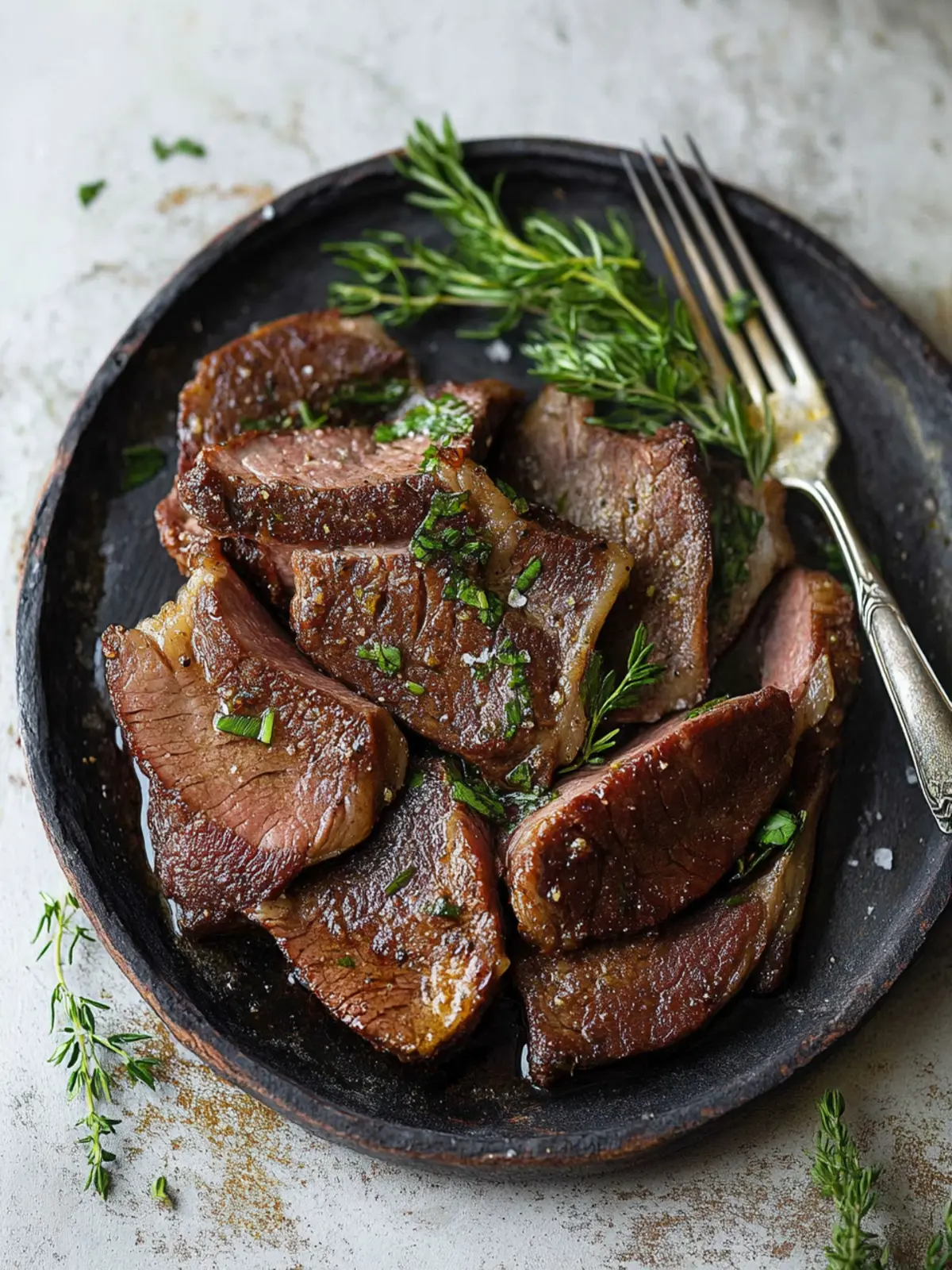
Why is Beef Tongue worth trying?
Boldly adventurous: Cooking beef tongue might sound intimidating, but it s a culinary adventure worth embracing.
Rich and tender: This recipe transforms an often-overlooked cut of meat into a melt-in-your-mouth delight.
Hands-on flavor: With just a few ingredients, you can infuse generous layers of flavor, impressing even the toughest critics at your dinner table.
Easy to prepare: The Instant Pot option significantly cuts down on cooking time, leaving you time to relax while your meal cooks!
Versatile serving: Serve it sliced for sandwiches, atop fresh salads, or as a standout entr e. Whether you’re a seasoned chef or a cooking enthusiast, beef tongue is sure to become a new favorite dare to try it today!
Beef Tongue Ingredients
Here s what you need to create a mouthwatering beef tongue dish!
For the Beef Tongue
- 2-3 lb beef tongue Choose a well-marbled tongue for richer flavor and tenderness.
For the Aromatics
- 1 onion, peeled A milder onion variety works well to add sweetness to the broth.
- 1 celery stalk, cut in half Celery enhances the broth’s depth and gives an aromatic note.
- 1 Bay leaf This adds a subtle earthiness that complements the meat beautifully.
- 1/2 tsp salt Essential for drawing out the flavors from the beef tongue.
- 10 black peppercorns Whole peppercorns infuse a gentle heat into the dish.
For Cooking
- 3 tbsp butter or ghee Choose ghee for a nutty flavor or butter for a rich finish.
- Salt and pepper to taste Adjust according to your palate for the perfect seasoning.
- Chopped fresh herbs Fresh parsley or cilantro makes a lovely garnish that brightens the dish.
With these beef tongue ingredients, you’re well on your way to crafting a dish that’s as delightful as it is rewarding!
How to Make Beef Tongue
Wash the beef tongue under running water to remove any impurities, ensuring a clean canvas for cooking. This simple step sets the foundation for a flavorful dish!
Trim off any excess fats, glands, or connective tissue with a sharp knife. This helps create a tender bite while cooking, making sure nothing gets in the way of that delicious flavor.
Place the beef tongue in an Instant Pot, ensuring it fits comfortably. This enables quick cooking while infusing flavors efficiently no need to wait long for this culinary delight!
Add the onion, celery, salt, peppercorns, and bay leaf. Fill with enough water to cover the tongue completely. This aromatic mixture will enhance the beef tongue beautifully as it cooks.
Close the lid and cook for 60 minutes on Manual High with Natural release. This method locks in moisture and tenderness, making sure every bite is a juicy treat.
Alternatively, for a stovetop method, combine everything in a pot, bring to a boil, and simmer for 2.5 to 3 hours until tender. Stir occasionally, letting the flavors meld together as the beef tongue becomes melt-in-your-mouth good.
Let the meat cool to room temperature, then peel off the skin. This reveals the rich, tender meat beneath, ready for the next delicious step!
Cut the meat into 1/4 inch thick pieces using a sharp knife. This showcases the beautiful texture and allows for easy cooking in the next step.
Heat butter over medium heat in a skillet. Let the butter melt and start to bubble, signaling it’s time to add the beef tongue!
Cook for 2-3 minutes per side, or until golden brown and slightly crisp around the edges. This step creates that irresistible contrast of textures soft inside, crispy outside!
Season with salt and pepper to taste. Give it a final touch and garnish with fresh parsley or other herbs for a pop of color and freshness.
Optional: Serve with a squeeze of lemon for an added zing!
Exact quantities are listed in the recipe card below.
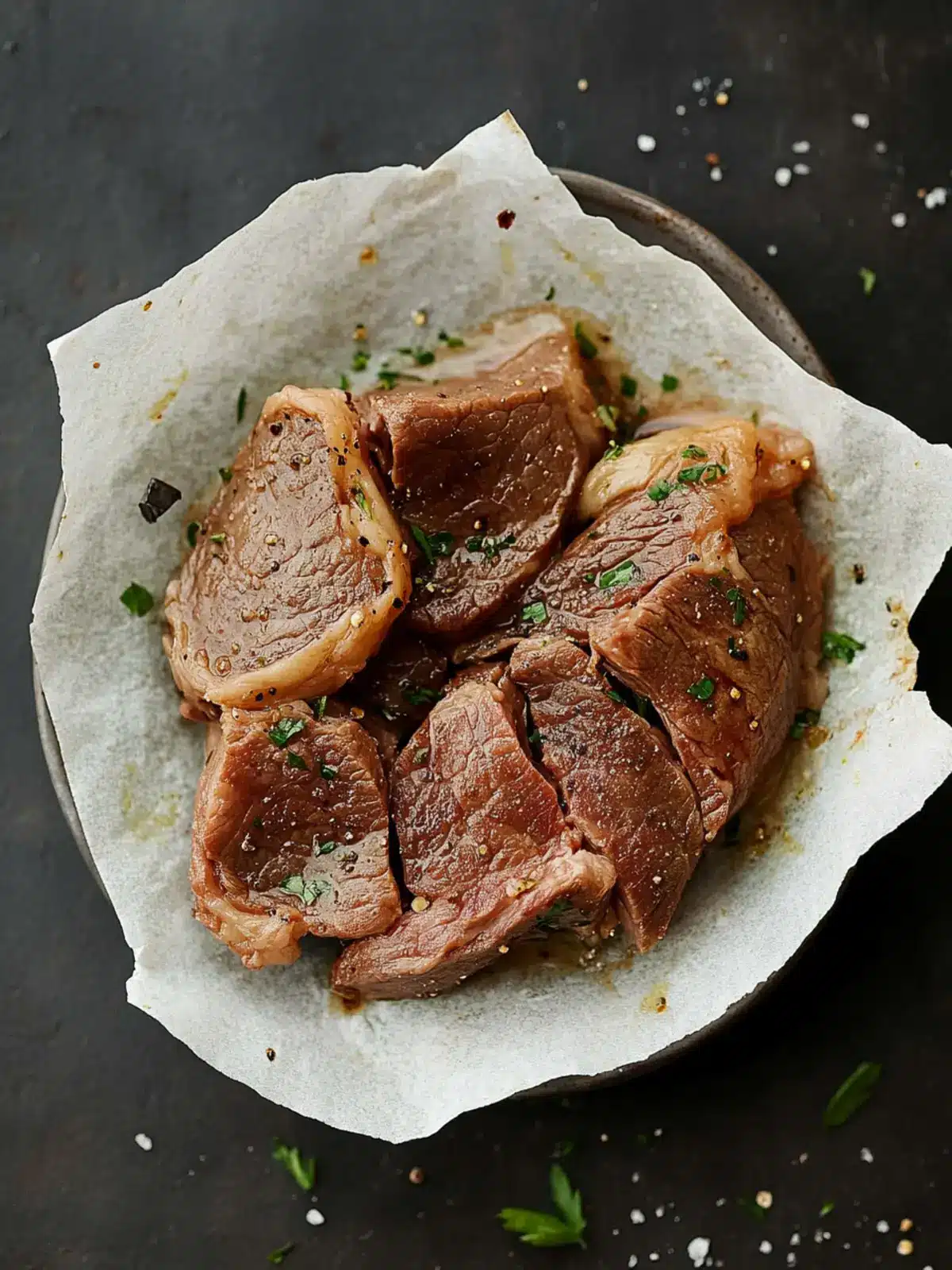
Beef Tongue Variations
Embrace your creativity and let your taste buds take the lead with these delightful twists!
Spicy Twist: Add a tablespoon of smoked paprika or cayenne pepper to the broth for a warming kick that excites the palate. This brings a depth of flavor and a fun challenge for those who enjoy a little heat.
Herb Infusion: Swap the bay leaf for thyme or rosemary for an aromatic uplift. Fresh herbs add an inviting fragrance that complements the rich beef wonderfully.
Smoky Flavor: Incorporate liquid smoke into the cooking water to deepen the flavor profile. This creates a comforting, barbecue-like vibe that your family will love.
Soy Sauce Punch: Add a splash of soy sauce or tamari during the simmering phase for an umami boost. This savory element enhances the overall dish, offering a delightful twist.
Vegetarian Option: Use portobello mushrooms instead of beef tongue for a meaty texture without the meat. Marinate them in soy sauce and spices for a flavorful vegetarian alternative.
Crispy Finish: Toss in some panko breadcrumbs in the final frying stage for an extra crunchy texture. This delightful crispness elevates each bite, making it absolutely irresistible.
Citrus Zest: Brighten the dish with a hint of lemon or orange zest in the cooking process. The citrus note brightens the beef, balancing its richness with refreshing notes.
Savory Sauces: Serve with chimichurri or a garlic aioli for an added kick of flavor. These vibrant sauces infuse complexity and freshness, ensuring your beef tongue shines bright on the plate!
Storage Tips for Beef Tongue
Room Temperature: Store cooked beef tongue at room temperature for no more than 2 hours before refrigerating to prevent bacterial growth.
Fridge: Keep leftovers in an airtight container in the fridge for up to 3 days to maintain freshness and flavor.
Freezer: For longer storage, freeze sliced beef tongue wrapped tightly in plastic wrap or in a freezer bag for up to 3 months.
Reheating: Reheat cooked beef tongue gently in a skillet over medium heat for 57 minutes, or until warmed through to preserve its texture and flavor.
Make Ahead Options
These Beef Tongue preparations are ideal for busy home cooks looking to save time during hectic weeknights! You can cook the beef tongue up to 3 days in advance, allowing the flavors to deepen while it rests in the refrigerator. Simply follow all the initial steps in the recipe, then let the meat cool completely before refrigerating in an airtight container. To maintain its tender quality, keep it submerged in its cooking broth. When you’re ready to serve, simply slice it and heat in a skillet with butter for about 2-3 minutes on each side until golden brown. This way, you ll have a delicious, comforting dish that s just as flavorful and satisfying as if freshly made!
Expert Tips for Cooking Beef Tongue
- Quality Matters: Choose a fresh, well-marbled beef tongue for the best flavor and tenderness. Stale meat can lead to a tough texture.
- Trim Carefully: Make sure to trim off any excess fat and connective tissue thoroughly. Under-trimming can result in an unpleasant chew.
- Stew Options: If you prefer stovetop cooking, be patient; simmer for at least 2.5 to 3 hours until tender. Rushing can lead to undercooked beef tongue.
- Cooling Time: Allow the tongue to cool completely before peeling. This makes the skin removal much easier and cleaner.
- Achieve Crispiness: When pan-frying, watch closely as it cooks; aim for a golden brown exterior without burning. Proper crispiness elevates the entire dish!
What to Serve with Beef Tongue?
Creating a memorable meal is always a delight, and pairing the savory richness of beef tongue can elevate your dining experience.
- Creamy Polenta: This smooth and buttery base complements the richness of beef tongue, providing a mild flavor that balances the dish beautifully.
- Saut ed Spinach: The earthiness of saut ed spinach adds a vibrant green touch, offering a fresh contrast that lightens the dish.
- Pickled Red Onions: Their tangy crunch cuts through the richness of the beef, adding a delightful pop of flavor that energizes each bite.
- Garlic Mashed Potatoes: These mashed potatoes introduce a creamy, garlicky flavor that melds perfectly with the crispy beef, creating a comfort food dream.
- Fresh Herb Salad: A simple salad of mixed greens and herbs brightens the palate, enhancing the flavors with freshness and a hint of acidity.
- Roasted Carrots: Their natural sweetness and caramelized flavors provide a delicious contrast, adding both color and nutrition to your plate.
- Red Wine: A robust red complements the flavors of beef tongue wonderfully, enhancing the richness of the dish with every sip.
- Chocolate Mousse: End on a high note with this indulgent dessert, as its silky texture and deep cocoa notes create a luxurious finish to your meal.
These delightful pairings will turn your beef tongue into a feast capable of gathering family and friends around the table, celebrating good food and great company.
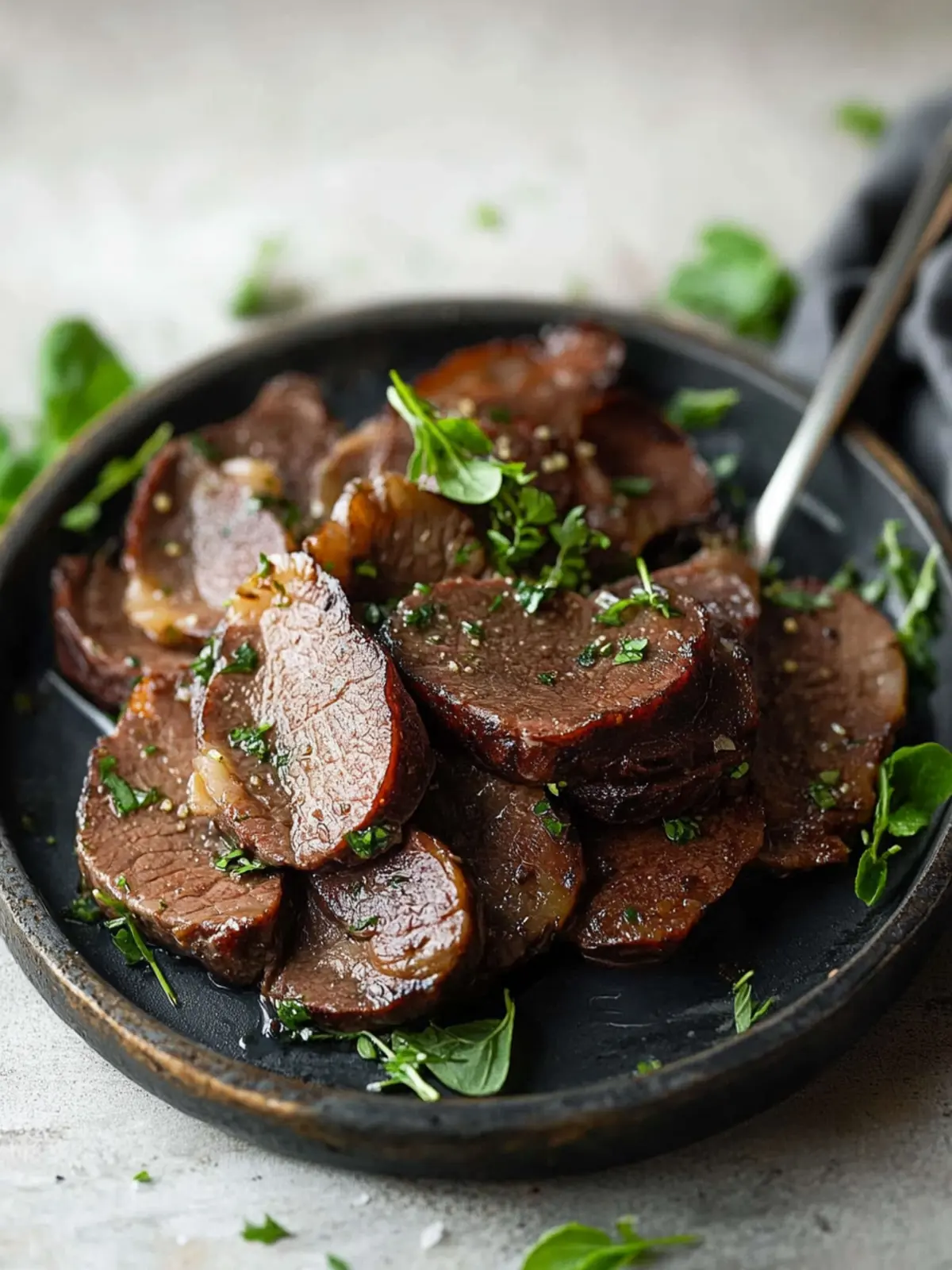
Beef Tongue Recipe FAQs
What should I look for when selecting beef tongue?
Absolutely! When choosing beef tongue, look for a fresh piece that s plump and has a good amount of marbling. A well-marbled tongue will yield a richer flavor and more tenderness. Avoid any that show dark spots or signs of spoilage, as these can affect the dish’s overall quality.
How should I store leftover beef tongue?
Very! To keep your cooked beef tongue fresh, store it in an airtight container in the refrigerator for up to 3 days. Make sure to let it cool to room temperature before sealing to prevent condensation. This ensures flavorful and tender meat for your next meal!
Can I freeze beef tongue, and how do I do it?
Yes, you can! To freeze beef tongue, first slice it into 1/4 inch thick pieces. Wrap each slice tightly in plastic wrap, then place them in a freezer bag, removing as much air as possible to avoid freezer burn. It can be stored this way for up to 3 months. When you’re ready to enjoy it, thaw in the refrigerator overnight before reheating.
What if my beef tongue is tough after cooking?
No worries! If your beef tongue turns out tough, it might just need more cooking time. If you’re using the stovetop method, continue simmering it in the broth for an additional 30 minutes or until fork-tender. Also, ensuring you trimmed any thick fat before cooking can help improve tenderness.
Can pets eat beef tongue?
Yes, but with caution! While beef tongue is safe for dogs in moderation, make sure it’s fully cooked and without any added seasonings that could be harmful, like garlic or onions. Always consult your vet before introducing new foods to your pet’s diet to avoid any allergies or digestive issues.
How do I reheat the beef tongue without drying it out?
Reheating with care is key! Place your sliced beef tongue in a skillet over medium heat, adding a splash of beef broth or water to keep it moist. Cover it with a lid, reheating for about 5-7 minutes until warmed through. This method helps retain its tenderness and prevents it from drying out.